The story of the ancient breed
History of our breed
The Akhal Teke: an unconventional but unequivocal equine athlete, the greyhound of the horse world.
“They are horses fit for the most powerful rulers, are strikingly beautiful in appearance, they move lightly under the rider and lightly accept the bit; the head with its Roman nose is carried high and their golden manes flow majestically in the wind.”
The Akhal Teke breed is a very special breed, a breed unlike any other.
A different kind of athlete
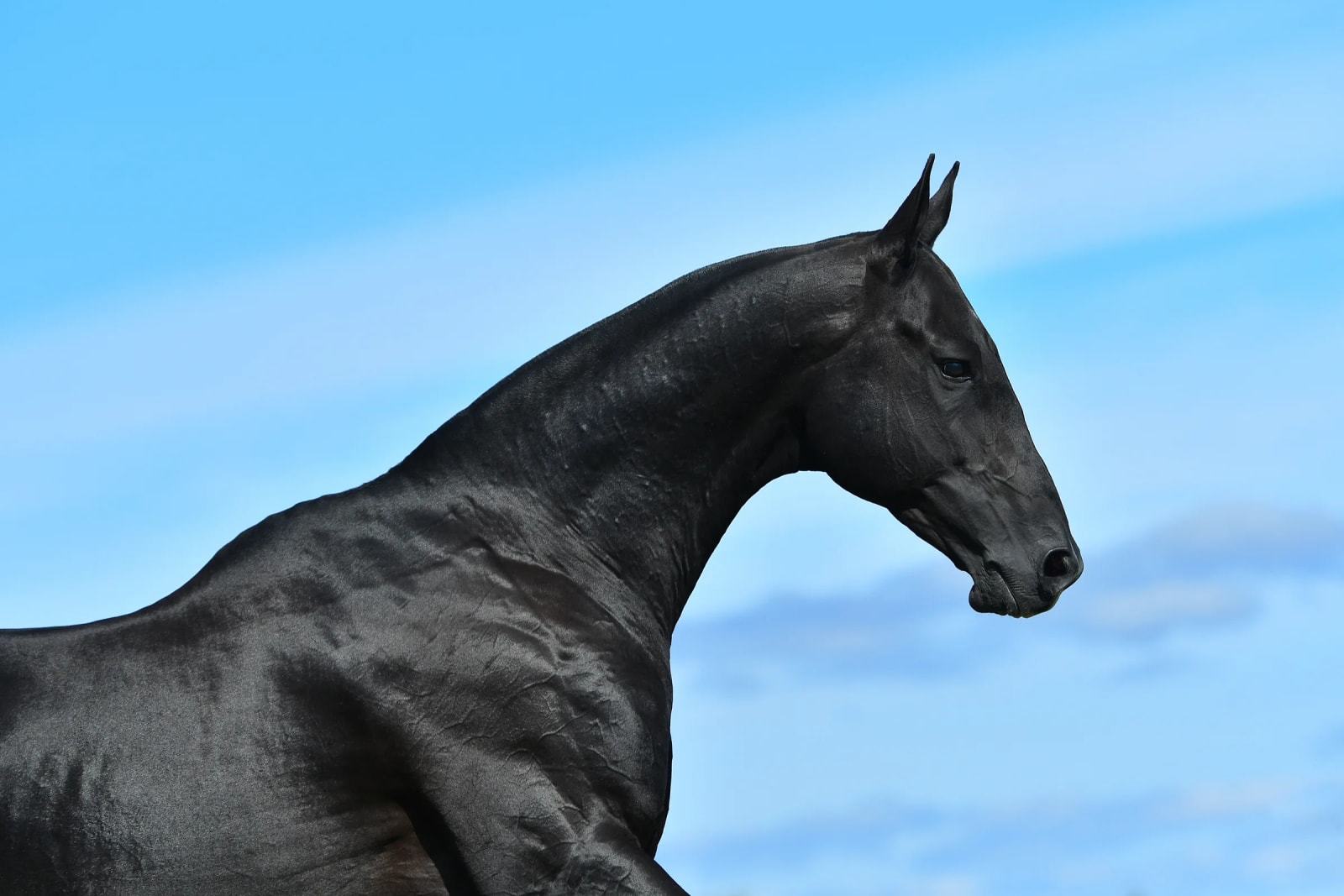
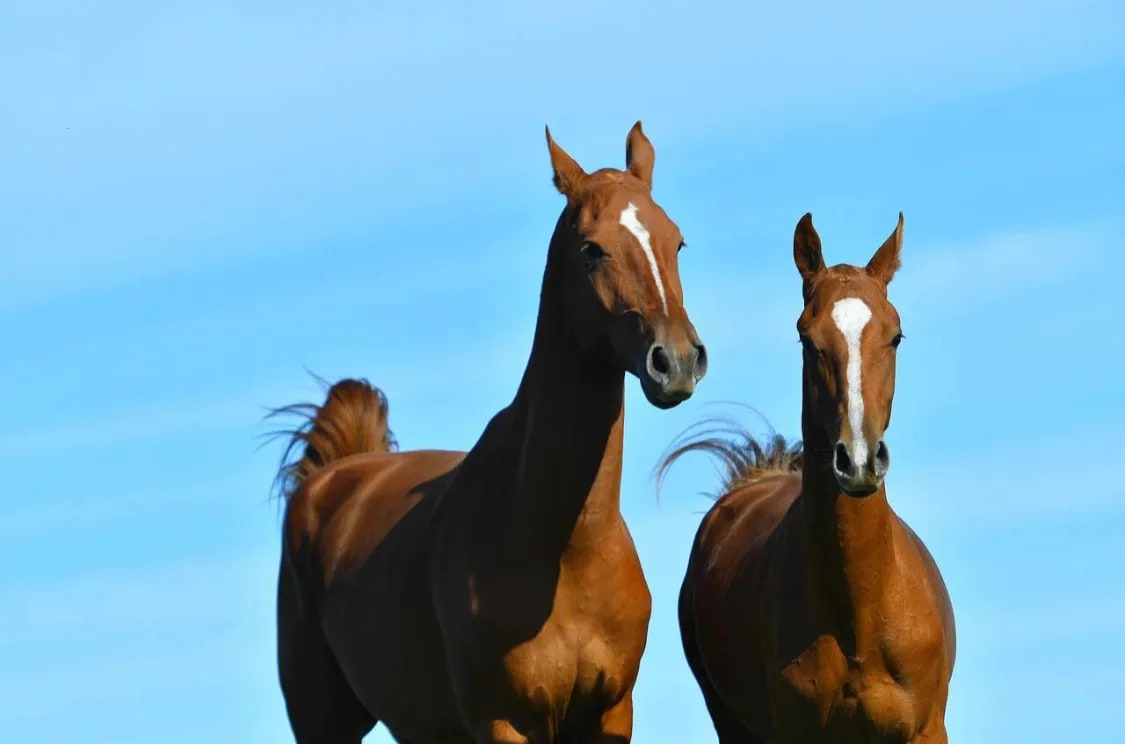
The breed's characteristics and conformation are very different from those of other horse breeds. Akhal Tekes are 15–16hh. One looks for a dry head, straight or slightly convex, with well-set large ears. They have almond shaped, hooded eyes, which give them the look of an eagle. They have long, elegant, and well-muscled necks set at a high angle. The breed should have a long well-muscled back, sloped to a low-set tail. Their leg bones are large compared to their bodies. Their shoulders, forearms, and hind legs are also very well-muscled, and their chests are deep and narrow. The overall picture is one of an unconventional but unequivocal equine athlete, the greyhound of the horse world.
Shaped by the desert
The story of the breed is full of prestige, glory, lore and some uncertainty. However there are two things that are clear in the story of this spectacularly different breed. Their differences are a result of their physical evolution and natural selection through exposure to harsh physical environments. The second reason is the human passion that led to careful breeding to preserve the stunning features of the breed.
They came to Asia from North America over the Bering Strait. Once in central Asia, these light-bodied gazelle-like animals had to adapt to their new surroundings. Central Asia had very high temperatures and desert-like conditions. It was treeless and open with very little edible vegetation. These conditions started to mould an animal with features that improved its survival. The landscape created a hot blooded horse, quick to react and swift with great stamina, able to outrun predators on the wide open plains. They were lightly built, but strong and wiry. They developed extremely deep chests to accommodate increased oxygen intake during physical exertion. Their backs lengthened to allow extra room for hind legs to increase stride length while running.
The Turkmen tribesmen
The animals eventually developed a partnership with humans. Each group of people in the area started to mould their equine counterparts to meet their needs and desires. It was the Turkmen tribesmen of the Akhal oasis in the foothills of the Kopet-Dag Mountains who are thought to have developed the breed we know today as Akhal Teke.
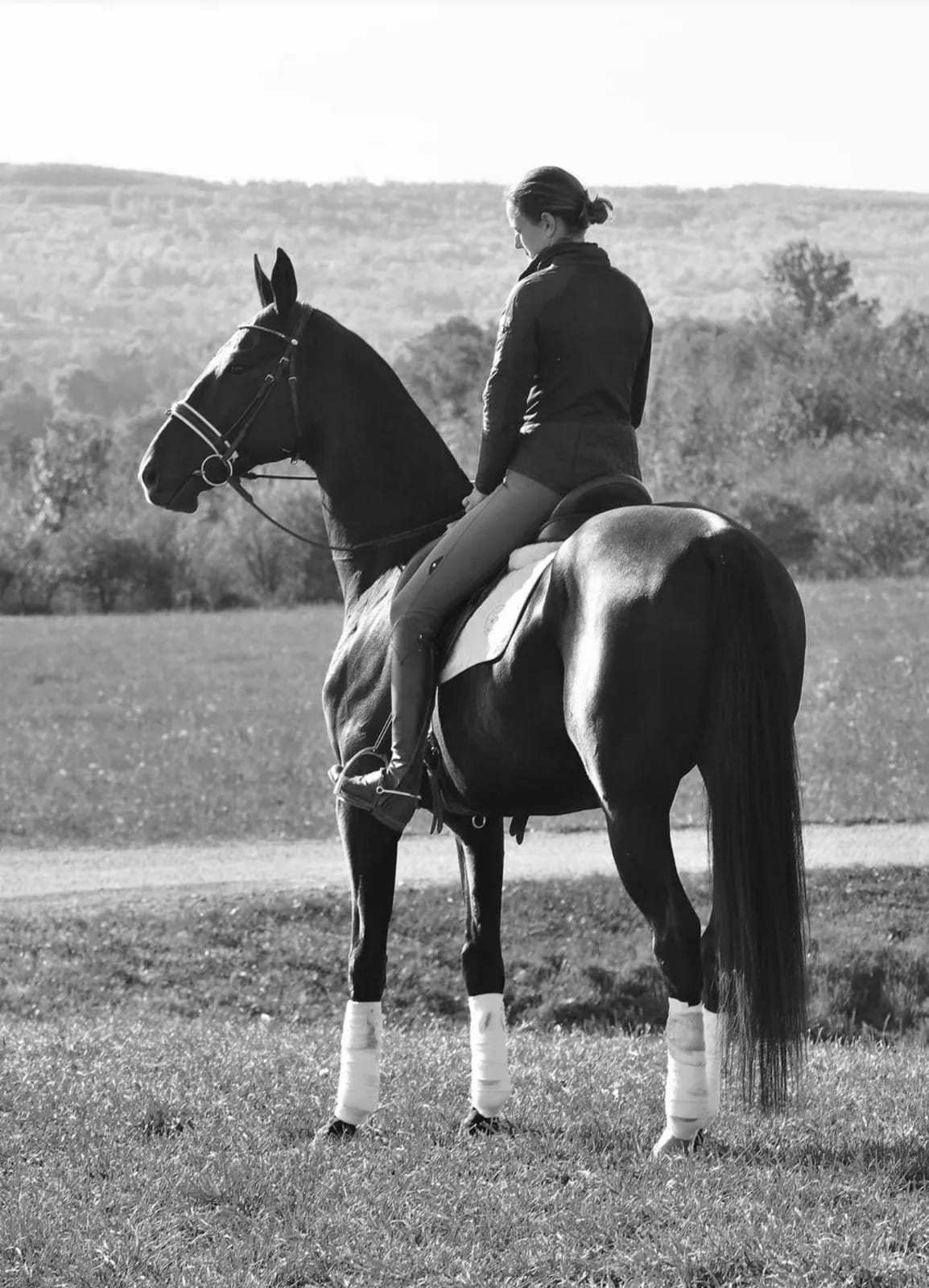
The Turkmen tribesmen were descendants of the ancient Scythians. The Scythians were a nomadic people who travelled between winter and summer ranges. They valued their horses very highly, a trait that they passed to their Turkmen descendants. The Turkmen carefully bred, raised and trained their horses to be ridden during raids on other tribes. The owner depended on his horse for his well-being and life. No expense was spared in its care and maintenance. The horses were fed very well on grains, and even mutton fat. They were fed and pampered to the point of their owners going hungry. The horses were kept in small numbers, only one or two per family, and were often brought into the family tent. As a result, the animals developed a strong affinity for their human companions. Their breeding and lineages were passed down through word of mouth from generation to generation.
From legend to stud book
There are many stories and lore surrounding these horses; great acts of bravery, strength, loyalty, and stamina, a story for every positive quality the horses possess. It was the animal's attributes portrayed in stories that helped raise them to a state of near divinity, and brought attention to them wherever they went.
When Russia and Turkmenistan went to war in the 1800s, the tribesmen rode to war on their magnificent horses. The tribesmen lost to the Russian Tsar in 1881. During the war, a Russian general named Kuropatkin took an interest in the horses ridden by the tribesmen he met in battle. After the war, he founded a stud farm in Russia and gave the horses the name we know them by today, Akhal Teke. The Russians also established the first written record of the breed's lineage in the General Stud Book started in 1941.
The landscape and harsh climate that the ancestors of the breed survived shaped many of the animal's characteristics, but that is not the whole story. These animals have humans to thank for the care and love that elevated them to a state of royalty. The evolution of the animal and the interaction with humans developed an equine of near athletic perfection.
References
- George Brown, Akhal Tekes: Gift from the Desert, EC Magazine, Fall 2006.
- International Association of Akhal-Teke Breeding (MAAK), History of the Akhal-Teke.
- Kathy Curtis, History of the Akhal-Teke, Model Horse Reference.
Meet the breed in person.
Curious about Akhal Tekes? Introduce yourself — we are always happy to talk about them.
Contact us